TENACITy End User Workshop in Cyprus

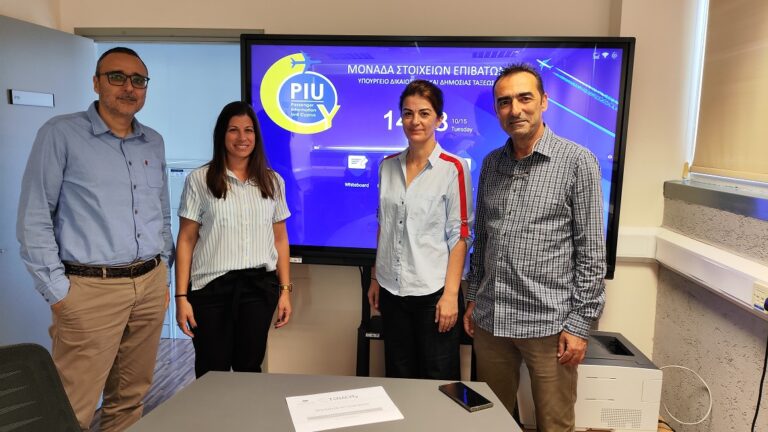
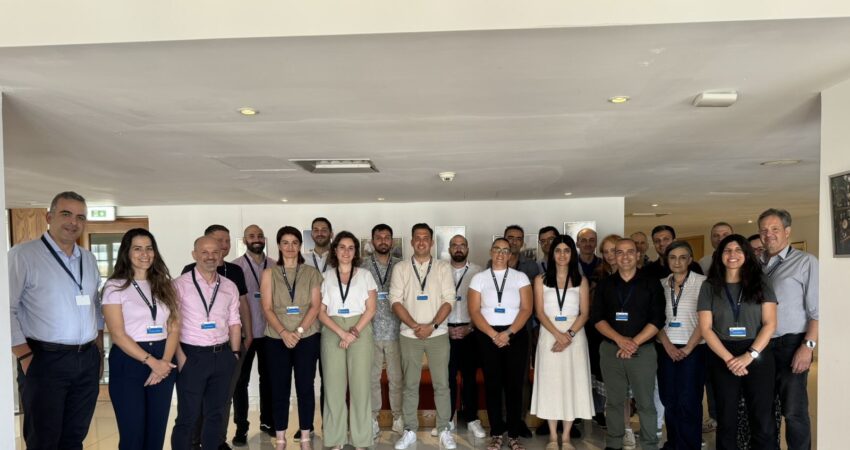
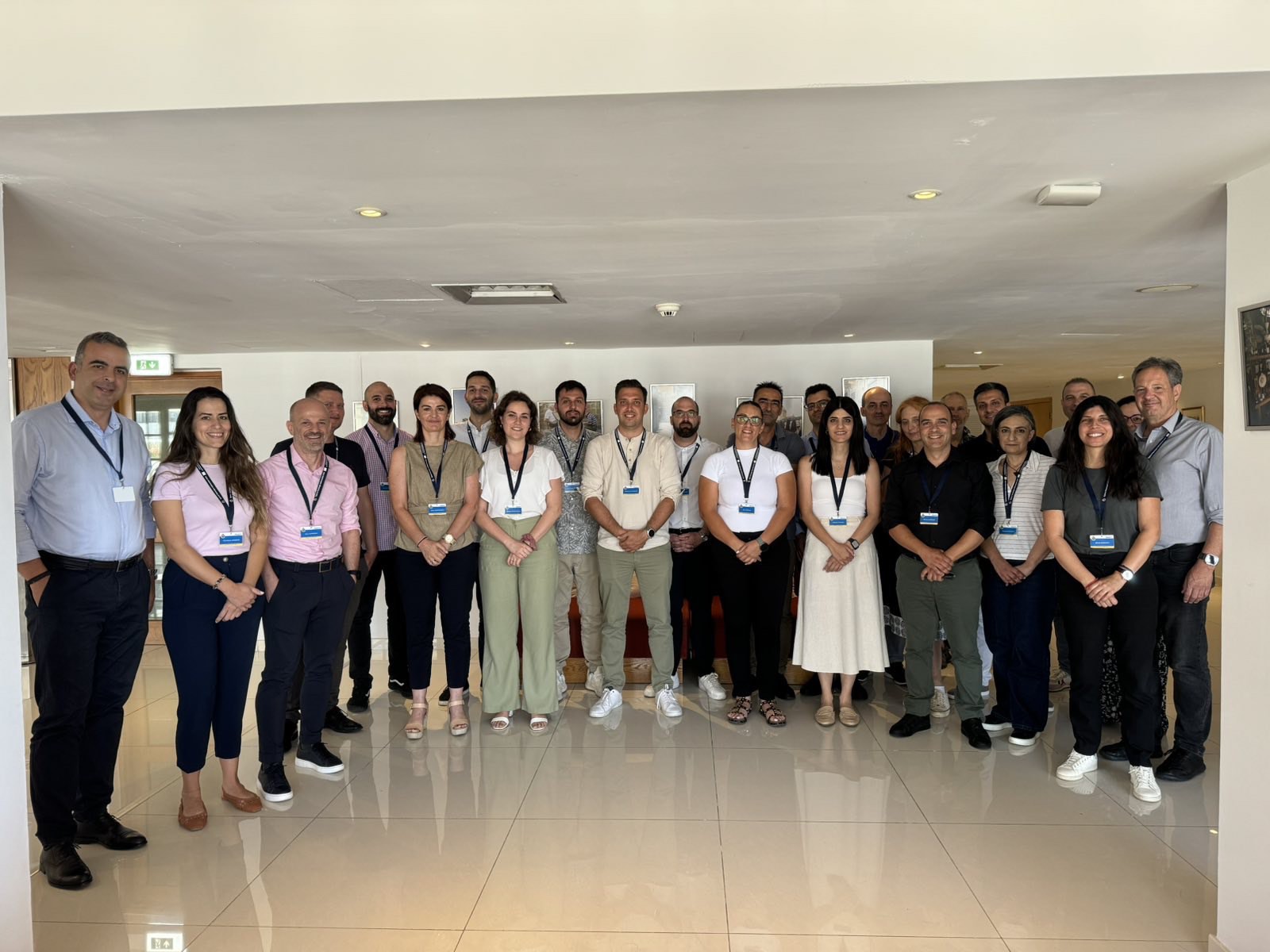
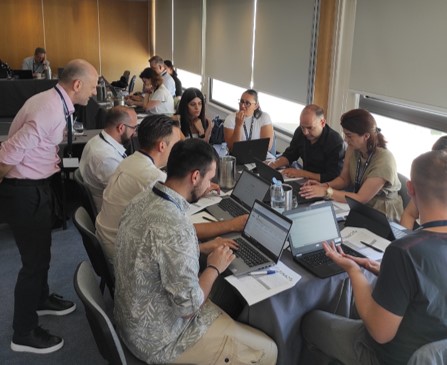
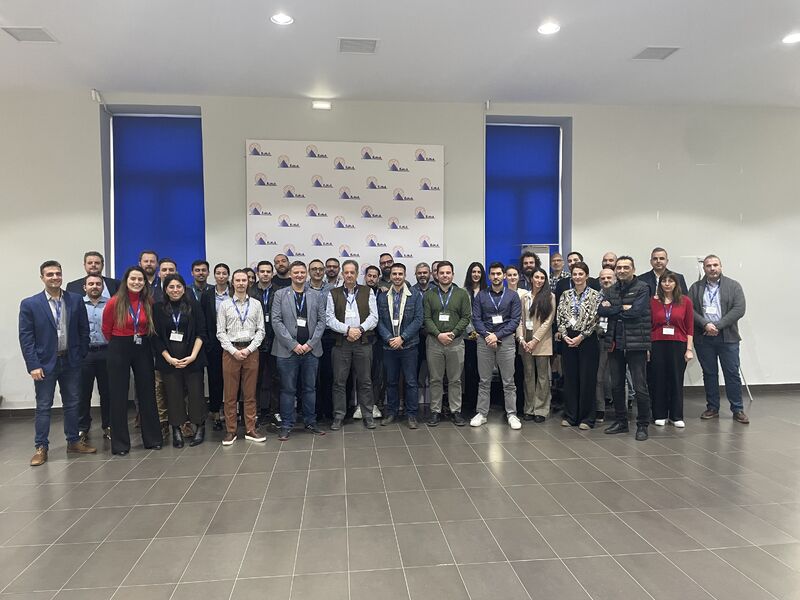
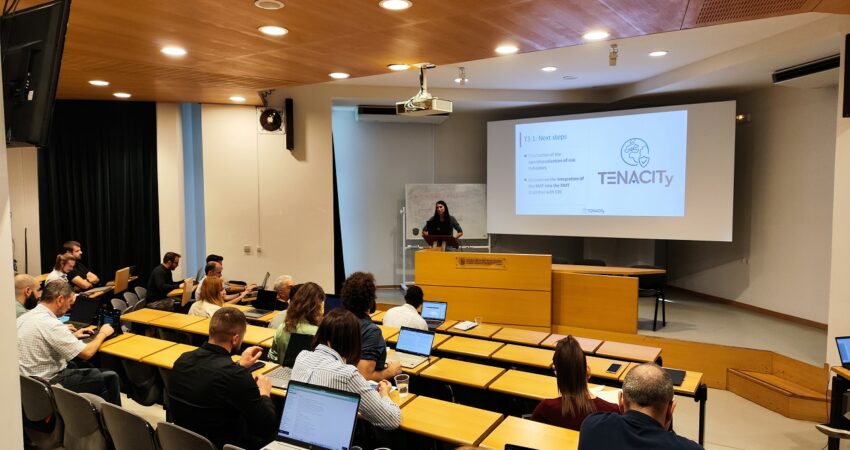
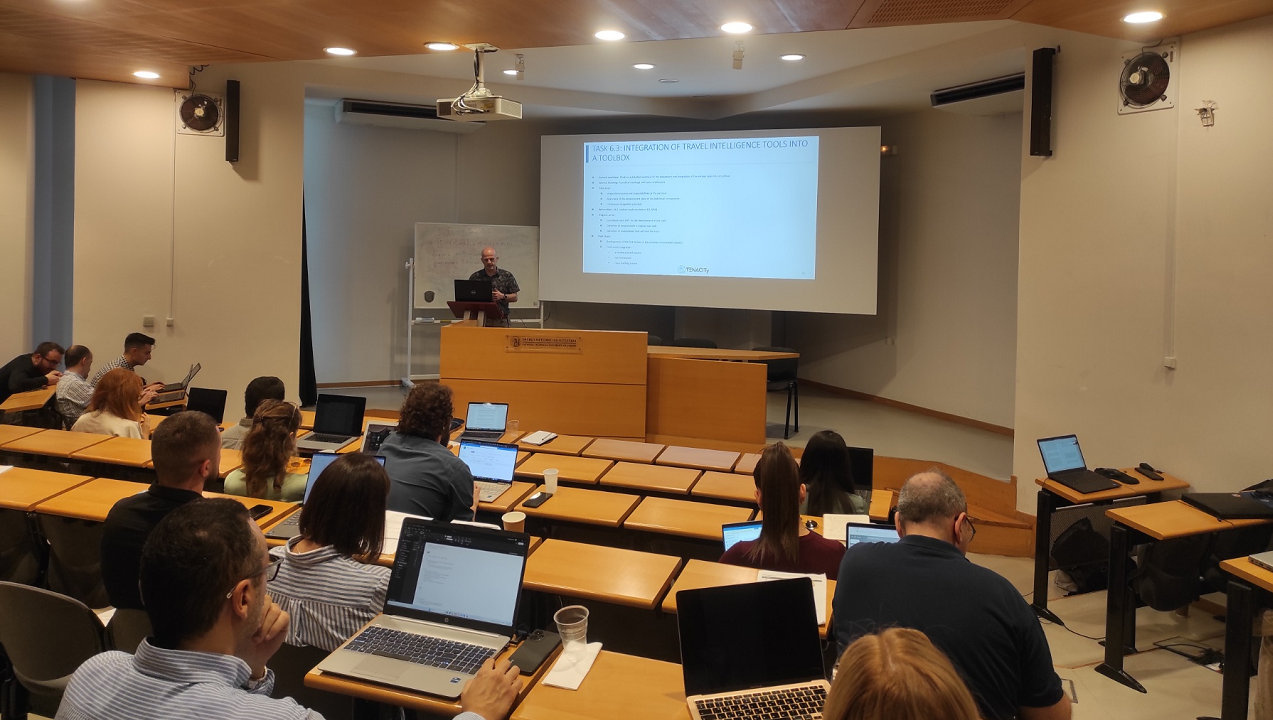
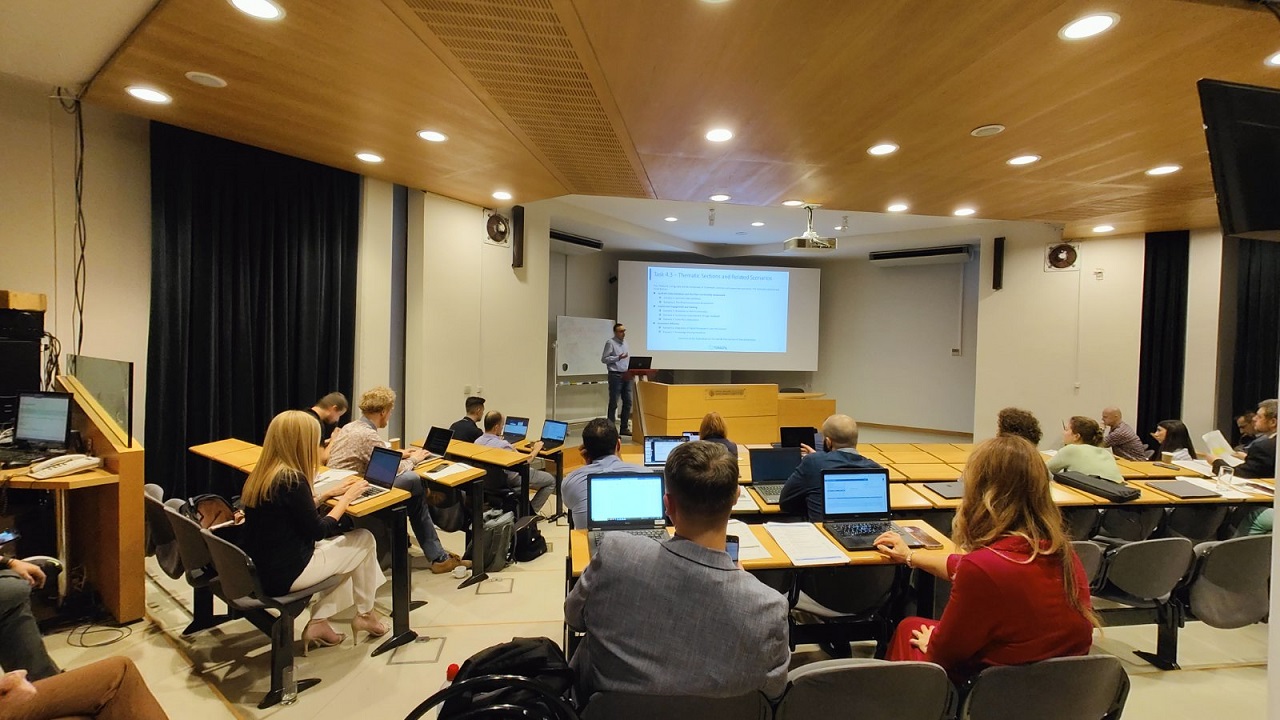
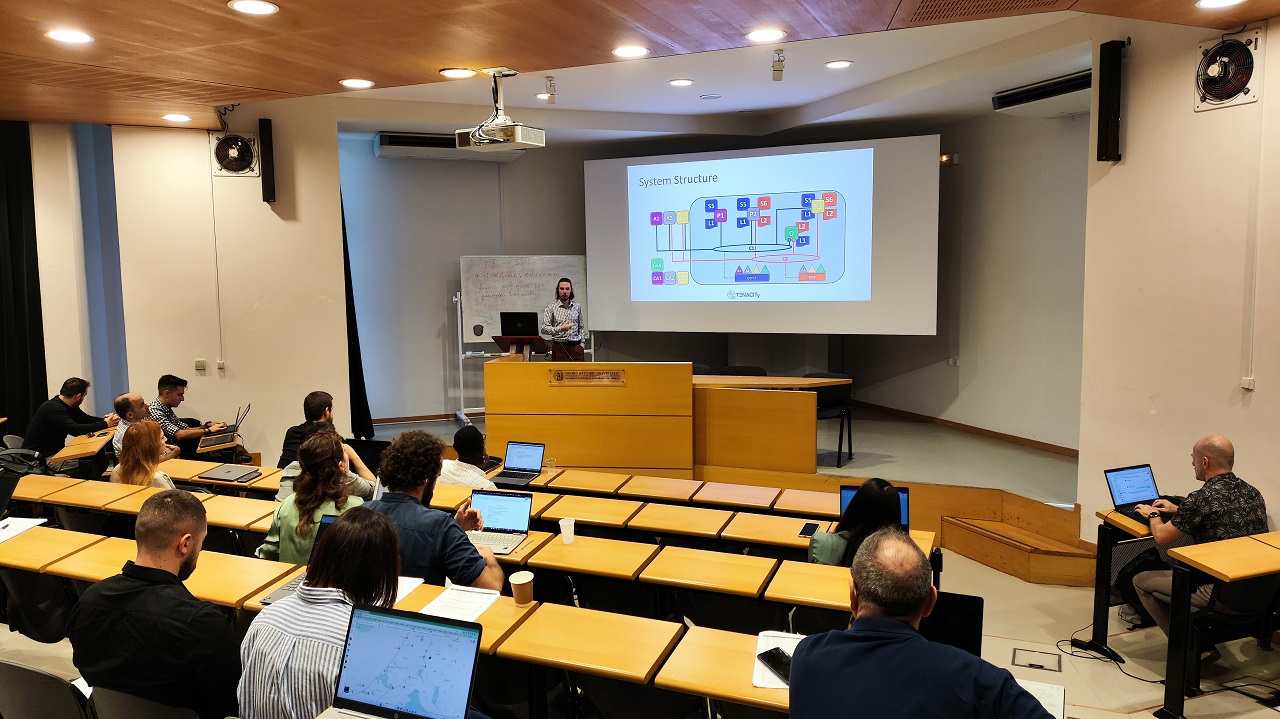
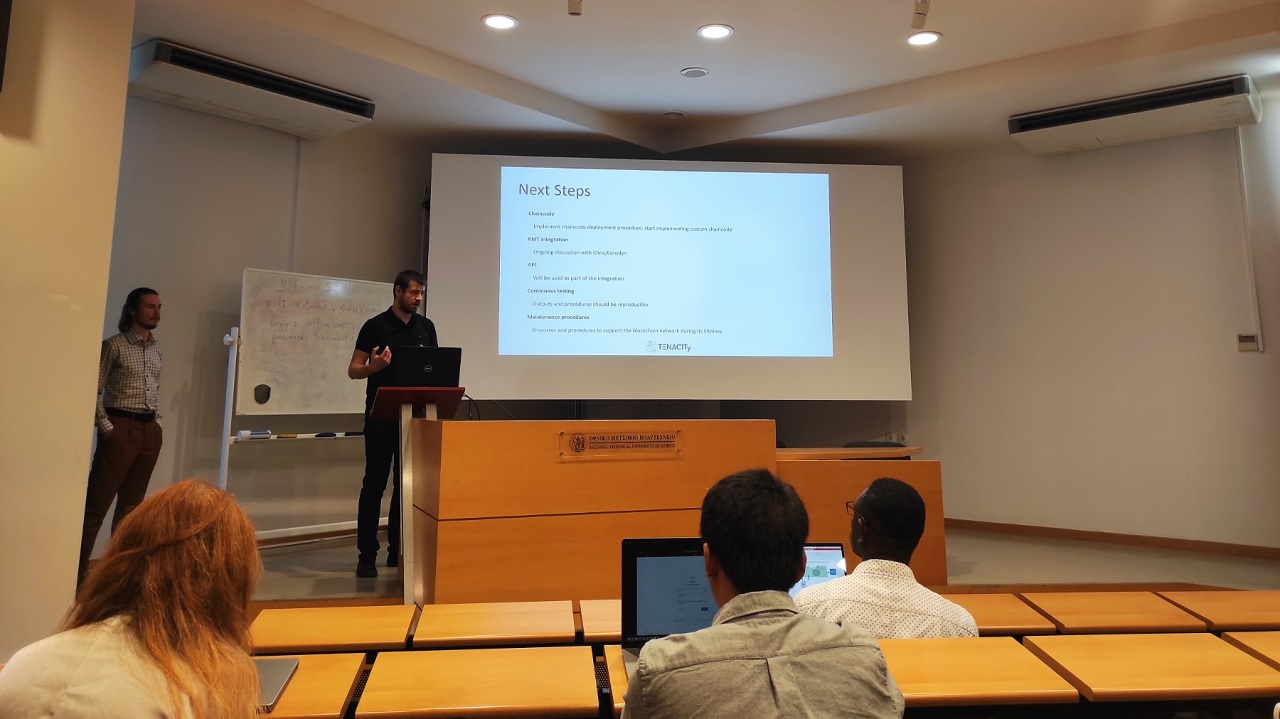
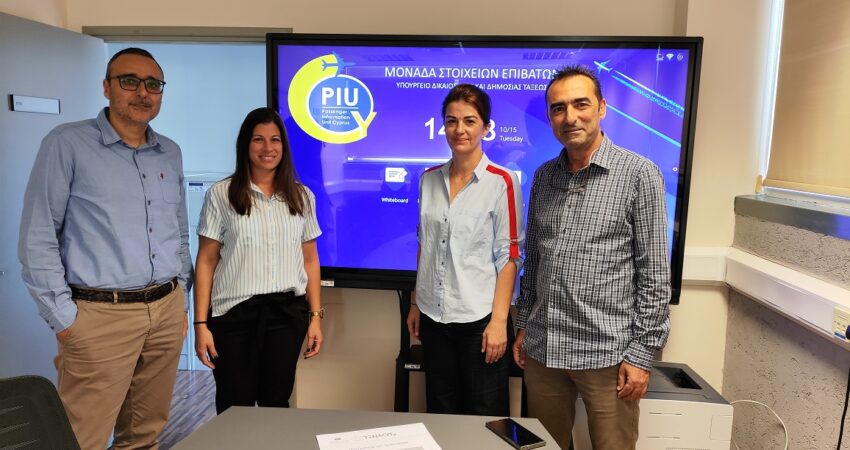
An end user workshop has been organised in Cyprus this week at the premises of the Cyprus PIU. The topics addressed included: 

  • Platform integration: Identifying approaches to integrate external platforms into our digital platform. 
  • Use Case Discussion: Discussing potential refinements and updates in use cases to align them with common PIU operational practices and enhance validation processes. 
  •  Living Lab exercises: Discussing the designing exercises to foster collaboration and knowledge sharing among practitioners in the next Living Lab activities. 

We are currently exploring the feasibility of some interesting enhancements on the hand-on experience with the TENACITy platform in the next Living Lab for all practitioners in the traveling intelligence domain. The engagement of the end users is essential to identify innovation traits as focus points in our roadmap to deliver the final technology release of the TENACITy digital platform. 

TENACITy 3rd Plenary Meeting

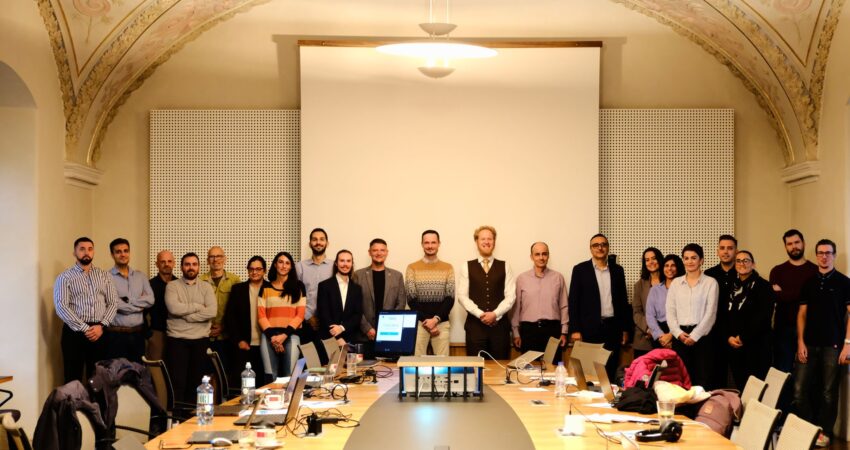
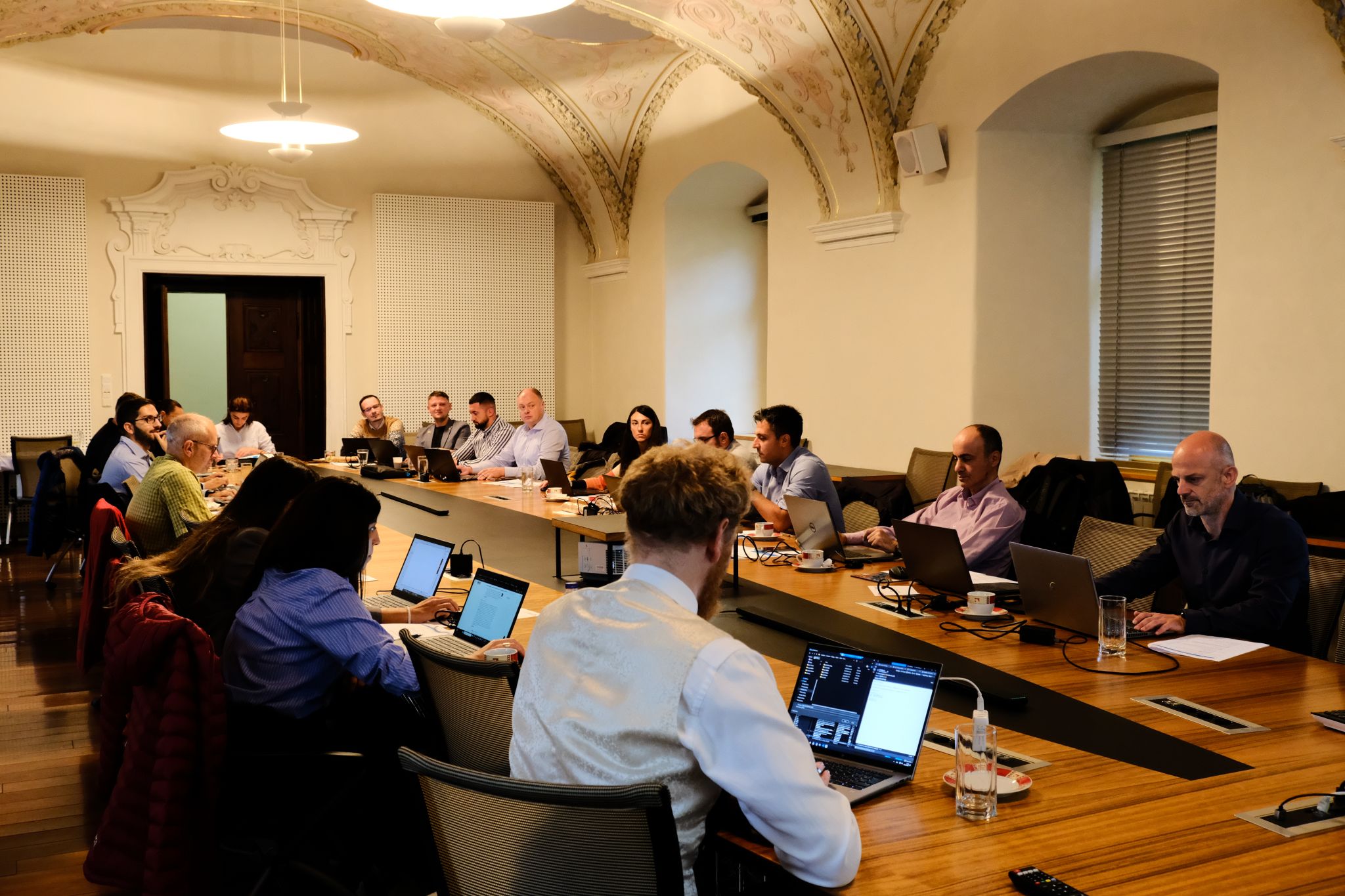
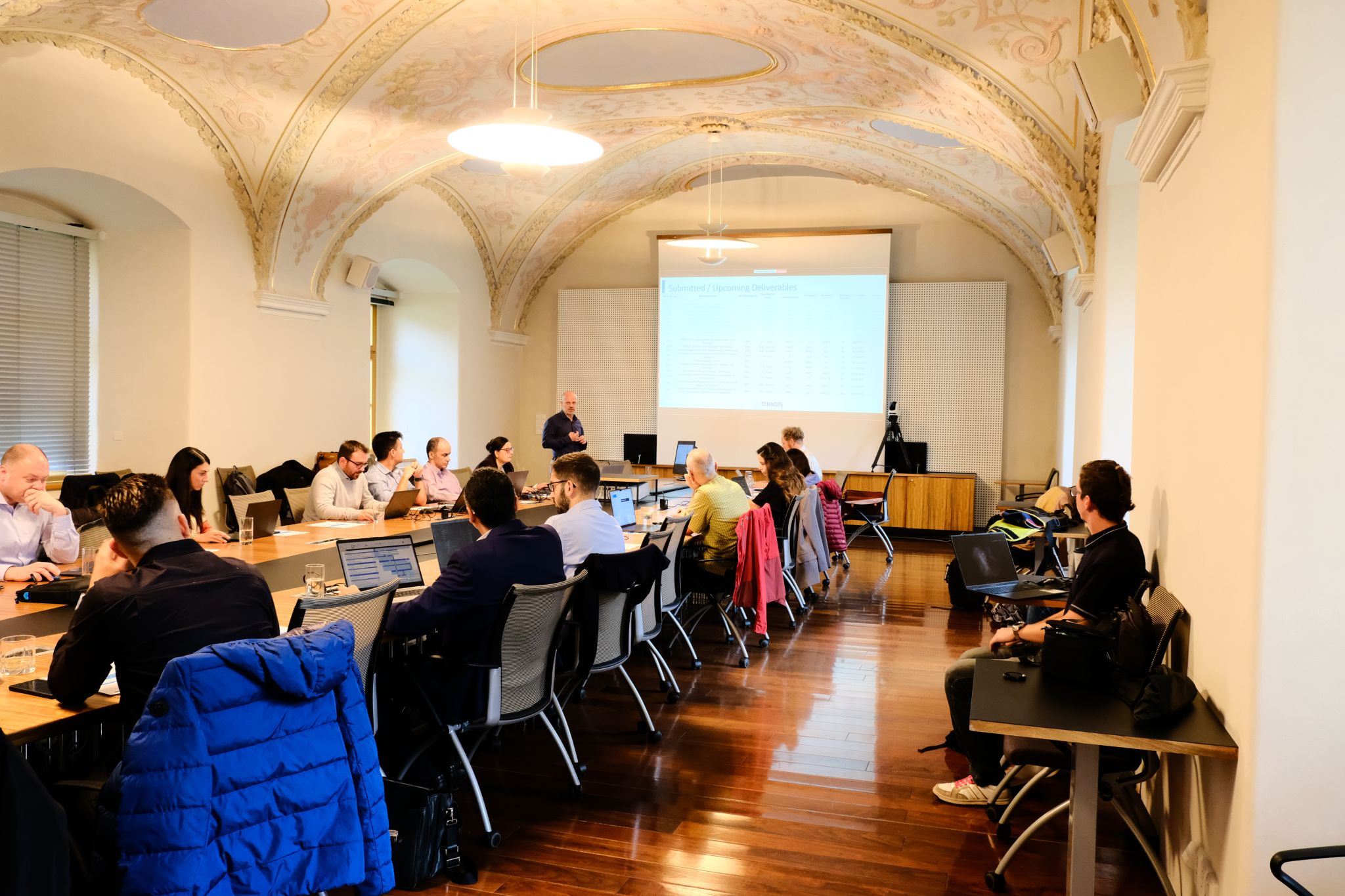
On October 2–3, 2024, the TENACITy Consortium convened in Brno, Czech Republic, for the 3rd Plenary Meeting — a two-day in-person gathering that marked an important step in the project’s collaborative journey.

The meeting brought together all project partners to review progress across each Work Package, share technical insights, and ensure alignment on key priorities. Discussions focused on the latest developments in the project’s tools, governance frameworks, training strategies, and upcoming pilot activities. This in-depth exchange allowed partners to reflect on achievements, troubleshoot current challenges and collectively shape the path forward.

Key outcomes from the meeting included:

  • Comprehensive updates on the progress and integration of TENACITy tools
  • Planning for the upcoming pilot demonstrations and training sessions
  • Strategic alignment on the final phase of the project, including dissemination and evaluation

These sessions were instrumental in fostering stronger cross-partner collaboration and maintaining momentum as TENACITy enters its final and most impactful phase.

A special thank you to our hosts and all participating partners for their contributions and commitment to strengthening travel intelligence and European security.

TENACITy becomes part of the Hybrid Threats Cluster

Strengthening the ecosystem collaboration for societal resilience against disinformation and disinformation-fuelled crime

What is a project cluster?

Project clustering refers to an alliance created by projects with related subjects or complementing interests, which can encompass partnerships for communication and dissemination activities, participation in meetings of common interest, joint capacity building activities and workshops, among other examples.

The European Commission incentivises the clustering of Horizon Europe projects in order to enhance the impact of financed projects. By forming or joining a cluster, projects can better collaborate and support each other through knowledge sharing and benchmarking project outcomes, hence creating synergies and facilitating the achievement of the proposed impacts.

The Hybrid Threats Cluster

Hybrid threats, a combination of tactics including diplomatic, military, economic, technological, have long been used to destabilise adversaries. Large-scale online disinformation campaigns for instance are used to shape the political narrative and subsequently hinder democratic processes. Countering these constantly evolving challenges by enhancing resilience, and detecting, preventing and responding to hybrid threats is a key priority for the European Union and its member states. In light of  this, a cluster of innovative projects has been created to increase societal resilience to disinformationmisinformation and hybrid threats by strengthening cross-stakeholder collaboration. Knowledge sharing, upskilling and alignment on activities, enables the cluster participants to enhance the efforts and maximise the impact of their respective projects.

The projects involved in the cluster include:

FERMI – Fake News Risk Mitigator

ATHENA – An Exposition On The Foreign Information Manipulation And Interference

RESONANT – Interdisciplinary Research Project on Foreign Information Manipulation and Interference

TENACITy – Travel Intelligence Against Crime And Terrorism

TENSOR – Reliable biomeTric tEchNologies to asSist Police authorities in cOmbating terrorism and oRganized crime

Vera.aI – VERification Assisted by Artificial Intelligence

VIGILANT – Vital Intelligence To Investigate Illegal Disinformation

TENACITy 1st Pilot Demonstration

The TENACITy Project successfully conducted its 1st Pilot Demonstration in Larnaca, Cyprus, on 18–19 June 2024. This pivotal two-day event brought together consortium partners and external stakeholders, including Passenger Information Units (PIUs), for the first operational testing of TENACITy’s innovative travel intelligence tools.

The pilot opened with an overview of the project’s goals and a detailed presentation of the pilot’s structure. Participants were introduced to realistic use case scenarios that demonstrated how the tools developed under the project can be applied to detect, analyse, and respond to complex travel-related security threats.

Day 1 focused on high-level presentations outlining the pilot’s objectives, tools, and expected outcomes. The day concluded with a technical validation and feedback session, providing valuable insights into system performance and usability.

Day 2 offered a more hands-on experience. Technical partners guided participants through practical exercises using the developed tools in scenario-based environments. This session allowed end users to interact directly with the platform, test tool functionalities, and simulate decision-making in real time.

A roundtable discussion followed, enabling stakeholders to share experiences and recommendations. The pilot concluded with an interactive assessment quiz, evaluating user experience and knowledge gained during the sessions.

This pilot marked a key step in validating the TENACITy platform through:

  • Real-life scenario testing
  • End-user engagement and training
  • Structured feedback collection for continuous improvement
  • Legal and regulatory assessment of operational readiness

The 1st Pilot was a critical step in validating the TENACITy tools in operational settings, strengthening collaboration among stakeholders and ensuring the platform meets the real-world needs of end users.

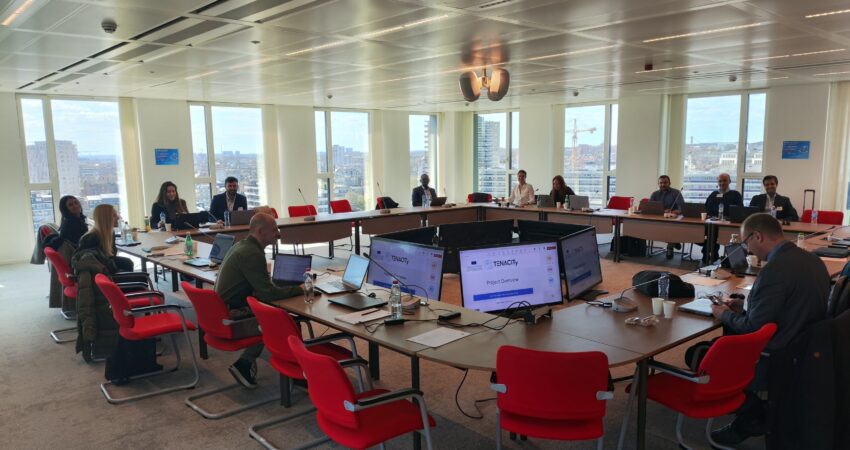
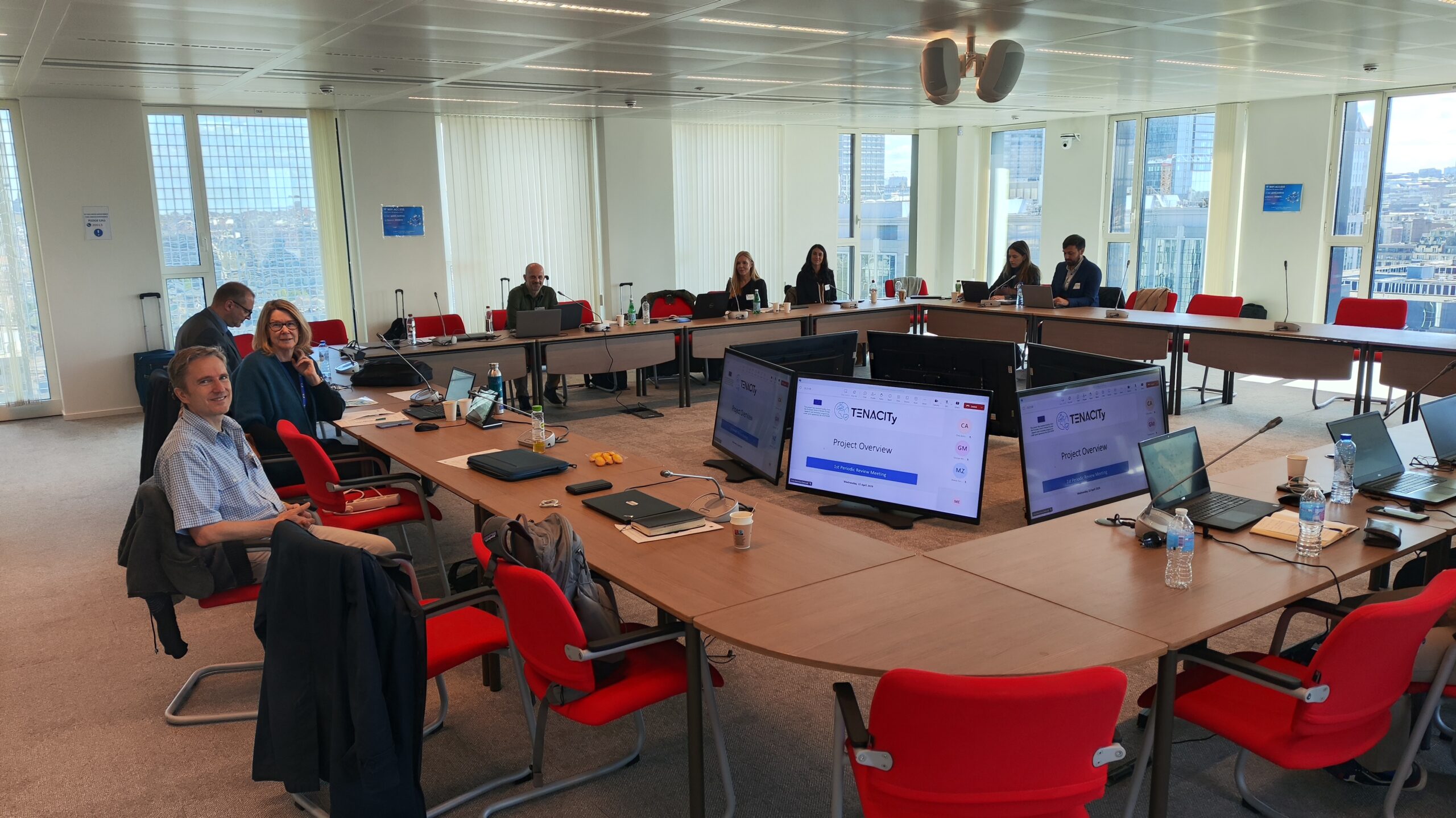
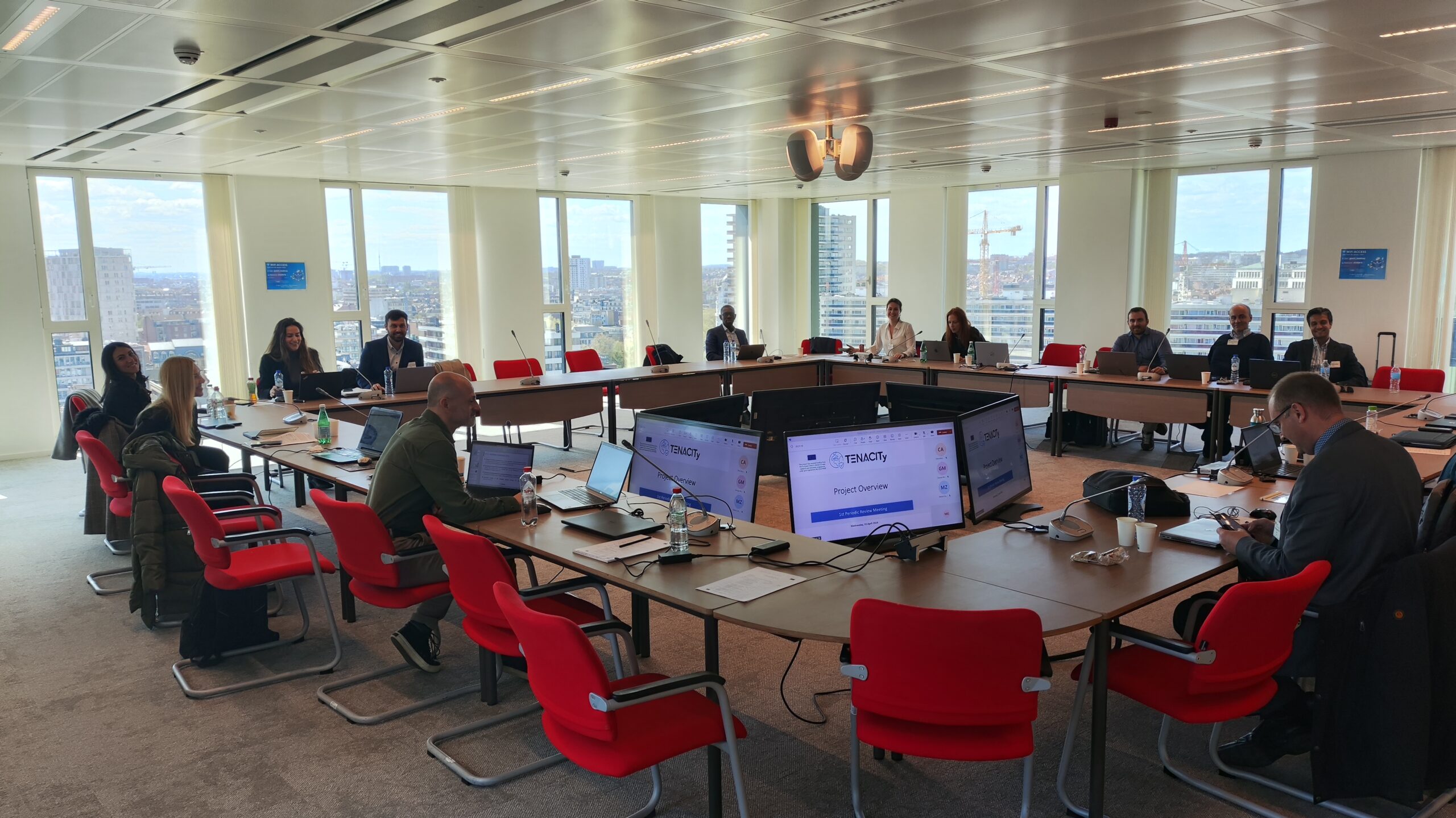
TENACITy Project Update: Review Results and Future Advancements

We’re thrilled to announce a significant milestone in the TENACITy project as we wrap up a pivotal review event, marking the transition into the next chapter of our journey. This milestone signifies a crucial step forward in our mission to revolutionize public safety through research and innovation.

The insights and feedback gathered from the review event have already begun to catalyze innovative advancements within our project. Our team is more energized and committed than ever to push the boundaries of what’s possible in our field.

As we move into the second half of our journey, we are focused on enhancing our designs, refining operational workflows, and adopting a citizen-centric approach. These efforts are setting the stage for exciting technological leaps that will shape the future of public safety.

Stay tuned as we continue to transform challenges into opportunities and foster safer communities through research and development. The road ahead is promising, and we look forward to sharing more thrilling updates with you!

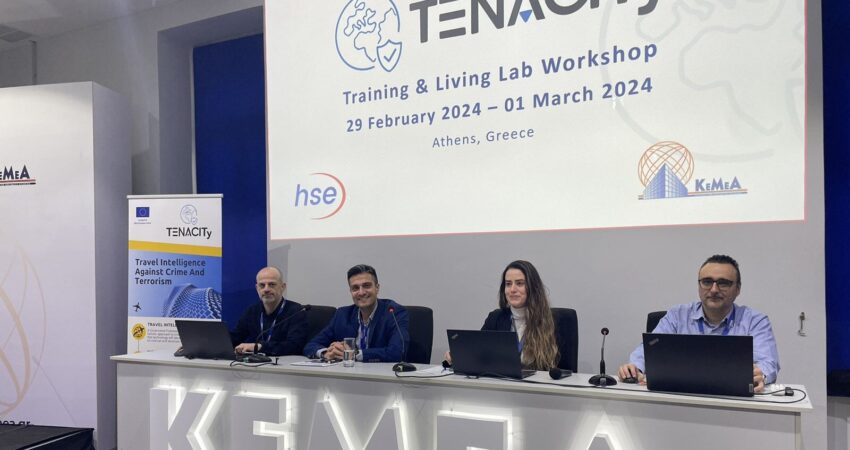
TENACITy Training & Living Lab Workshop

We are thrilled to announce the successful conclusion of the TENACITy Training & Living Lab workshop, a collaborative initiative aimed at fostering innovation within law enforcement agencies (LEAs). Co-organized by the Center for Security Studies (KEMEA) and Hardware and Software Engineering, with the active participation of the TENACITy Consortium and external Passenger Information Units (PIUs), this event was held at the KEMEA premises in Athens on February 29th and March 1st. It brought together a diverse group of stakeholders to explore cutting-edge solutions and drive positive change in security studies.

Day One:

The workshop kicked off with a dynamic blend of educational activities designed to empower LEAs with the latest tools and techniques. Through interactive sessions and practical demonstrations, participants embarked on a journey of discovery, learning how to integrate the TENACITy solution into their daily operations. Discussions were lively, and ideas flowed freely as attendees exchanged views, shared best practices, and collaborated on problem-solving strategies.

Day Two:

Building on the momentum of the first day, the second day of the workshop was dedicated to in-depth discussions and comprehensive assessments. Round table discussions provided a platform for participants to dive deeper into the development and implementation of project tools, fostering a spirit of collaboration and innovation. The event concluded with an assessment process, ensuring that participants left with a clear understanding of their progress and next steps.

The success of the Training & Living Lab workshop was a testament to the power of collaboration and shared commitment. With over 70 attendees from external Project Implementation Units (PIUs) and the TENACITy Consortium, the event was a vibrant exchange of ideas and experiences. We extend our heartfelt thanks to all participants for their invaluable contributions and dedication to advancing the objectives of the TENACITy project.

TENACITy 2nd Plenary Meeting

The second plenary meeting of TENACITy Project took place in Athens on November 2 and 3, 2023, providing an invaluable opportunity for the consortium members to meet in person and delve into the progress made since the preceding plenary session. Over the course of the two-day gathering, a comprehensive analysis of the advancements made within each Work Package and the corresponding milestones attained.

Participants offered detailed insights into the tasks they lead and the performed and planned activities for each of the tasks. At the closing of the plenary meeting featured an engaging open discussion, focusing on the technical partners exploration of tools and the synergies envisioned for the development phase.

KEMEA Showcases TENACITy Project’s Impact on Border Security at MEDEA Project Event

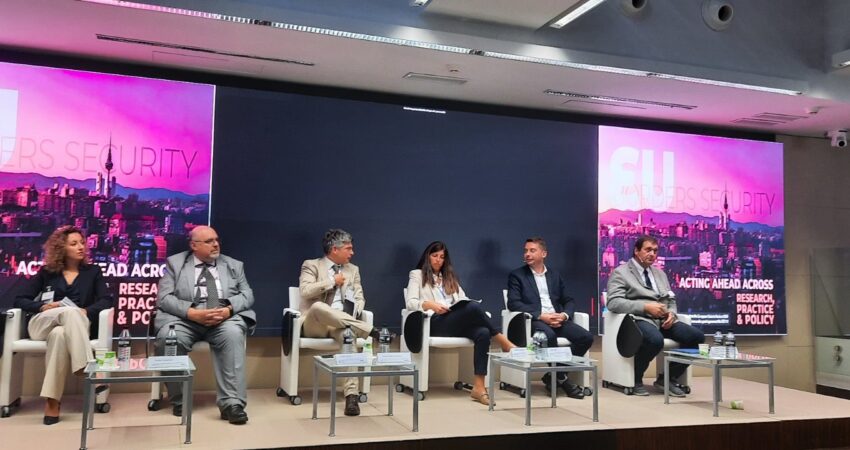
Center for Security Studies (KEMEA) had the great opportunity to showcase TENACITy Project at the MEDEA Project Borders Security: Acting Ahead across Research, Practice, and Policy , which took place in Madrid during 27 – 28 September ISDEFE premises.

TENACITy aim, objectives, as well the Practitioners’ role in it were discussed at the “Practitioners’ Key Role in Security Research Pannel”, moderated by Giulio Maria Mancini PO & Area Coordinator for Border Management, DG Migration & Home Affairs.

The panel involved both practitioners and innovators to share their experiences and perspectives. It is always a pleasure to support initiatives and events that promote innovation and cooperation in the Security Sector, highlighting the importance of the participation of LEAs in EU projects for real-world testing and validation of new tools or procedures.

KEMEA Showcases TENACITy Project at Thessaloniki International Trade Fair

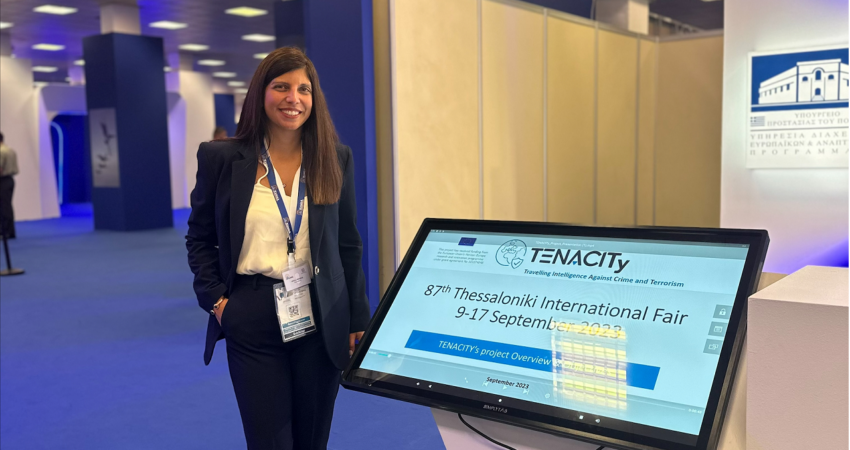
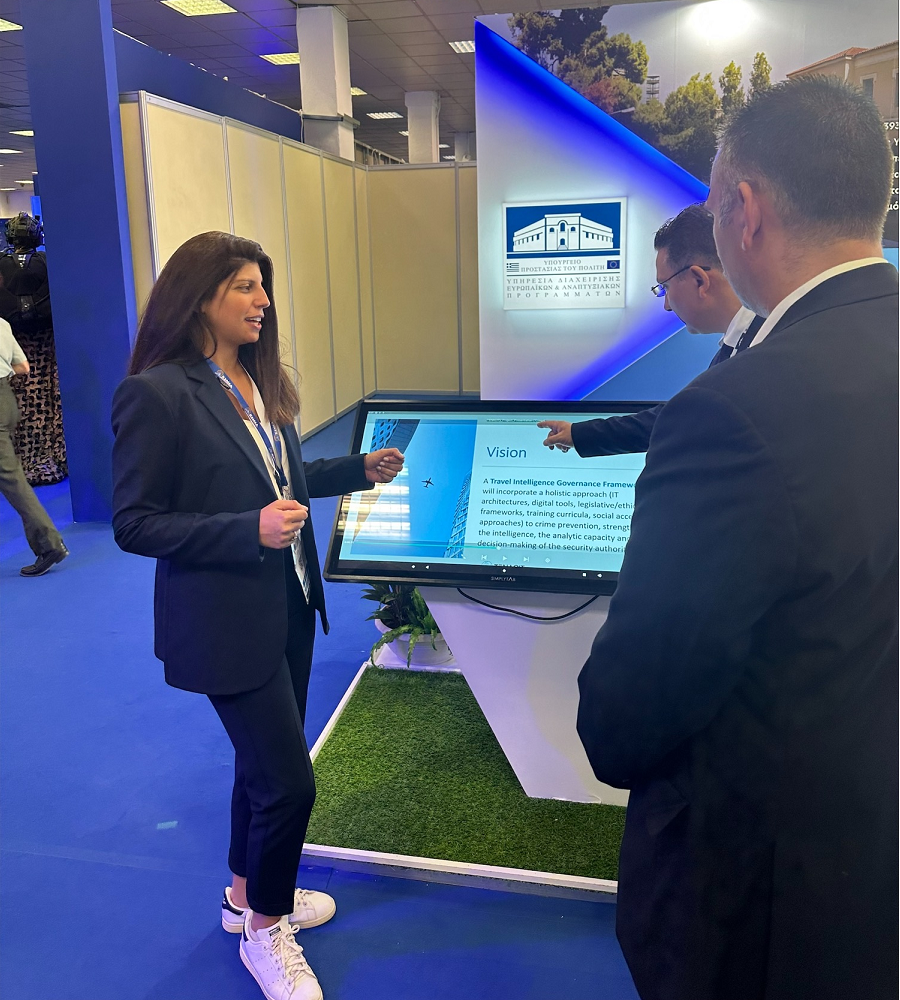
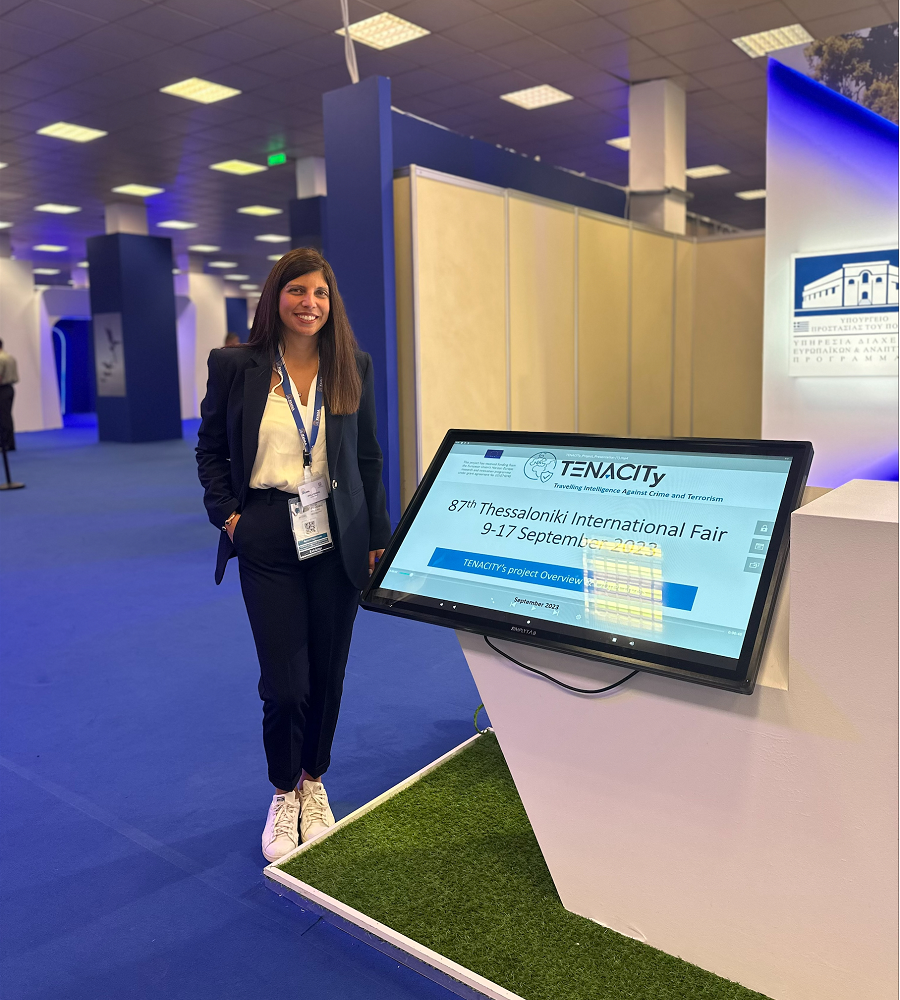
Center for Security Studies (KEMEA) had the great pleasure and opportunity to participate in the 87th Thessaloniki International Trade Fair, during 9-17 September 2023, and disseminated TENACITy Project.

TENACITy aims to implement and demonstrate a Travel Intelligence Governance Framework that will incorporate a holistic approach to crime prevention, will ensure that its proposed digital technologies will support the identification of the modus operandi of criminal and terrorism organizations and will include policy makers in the governance process.

It was a great opportunity to raise awareness about TENACITy and communicate the added value that can bring to the FCT sector.

Unveiling the mechanisms of migrant smuggling: Insights into transportation and facilitation strategies


Article by UCSC-Transcrime

Migrant smuggling is the process of facilitating the unlawful entry, transit or residence of an individual in a country.[1] It is a market in which the commodity traded is the assisted illegal entry into a country for a profit.[2] Migrants constitute the demand-side of the market as they are willing to buy a service, that is the illegal entry into a country, for reasons that include leaving war zones, extreme poverty, economic hardship, or persecution.[3] The demand is satisfied by several sellers, namely the smugglers, who provide these services for a wide array of reasons, ranging from economic returns to assistance to individuals with similar social and cultural backgrounds.

Migrant smugglers rely on a variety of means of transport to facilitate irregular migration both into and within the EU. Migrant smugglers’ modi operandi depend on several factors, such as the origin of the smugglers, the type of travel used, the route and the price that the migrant is willing to pay for the journey.[4]

Most irregular migrants in the EU arrive via Mediterranean Sea routes, using several types of boats. The choice of boat depends on the migrants’ budget and the length of the journey. Options include speedboats, sailing boats, motor yachts, and small inflatable rubber boats. Smuggling organizations even construct their own boats. However, sailing yachts and speedboats are less common due to the high costs and risks involved if these boats are damaged or seized. Instead, stolen boats are frequently used to reduce costs and make it harder for law enforcement to identify the smuggling network. Various methods have been identified for transporting migrants. One typical approach involves using two vessels: a larger one like a fishing trawler or cargo ship to take migrants on open ocean voyages, then transferring them to a smaller boat for the final leg to the landing site. The boat crew and smugglers abandon the migrants, providing basic instructions for navigating the small boat, and return to shore in the second vessel. Another technique, known as the “mother ship technique,” is commonly observed between Egypt and Italy. It involves using fisher boats, often owned by recruited professional fishermen, to transport migrants in international waters. The migrants are then transferred to smaller vessels and left adrift to be intercepted by Italian authorities, while the fishermen return to the departure coast.[5]

Overland transportation is the second most common method used by irregular migrants. It serves as a means to reach departure points and for secondary movements during longer journeys after utilizing other transportation options.[6] Various vehicles, such as cars, buses, lorries, and trains, are commonly employed depending on the specific route. Migrants transported overland, including for secondary movements, are often confined in dark and airtight cargo compartments, exposing them to life-threatening conditions. Smugglers frequently use rented vehicles or vehicles with fake license plates to hinder traceability if intercepted by law enforcement. It is worth noting that migrants can also be smuggled unknowingly in vehicles, such as when smugglers target commercial trucks waiting at border crossings, cut the seals and let the migrants in[7]. Lastly, overland transportation can involve migrants simply walking to cross borders, forming what is known as “caravans of hope.” These large groups of migrants aim to cross the EU’s external borders in search of protection, companionship, and to convey a unified visual message to national governments.

Air facilitation to or within the EU is infrequent but may become more prominent due to heightened controls on land and sea routes. [8] Air smuggling offers increased safety, speed, and lower risks for smugglers. Typically, smugglers do not accompany migrants but instead coordinate their journeys remotely from the origin or a third country, using messaging apps or other channels. Major international airports are prime targets for air smuggling as they connect to various parts of the world through major airlines. Migrant smuggling by air often complements other forms of travel as part of a larger facilitation plan. Migrants initially fly to a neighbouring third country and subsequently attempt to illegally enter the EU by land or sea.[9]

Two main methods of air migrant smuggling in the EU have been detected. Firstly, irregular migrants may use EU airports as transit points to third-party countries, as transit visas are often not required for many nationalities. They book flights that pass-through EU airports but intentionally stay in the country instead of continuing their journey. Upon arrival, they destroy their original documents (e.g., passports, visas), purposely miss their connecting flights, and apply for asylum in the EU country. In other cases, smugglers instruct migrants to meet a member of the criminal organization in the international lounge of the transit airport, where they receive new (often forged) documents. After the meeting, migrants attempt to leave the EU airport. Another common method involves trying to directly enter an EU member state using fraudulent documents. Document fraud plays a significant role in irregular air entry into the EU, especially by air.


[1] Europol, European Union Serious and Organised Crime Threat Assessment (SOCTA) 2021.

[2] Veronica Bilger, Martin Hofmann, and Michael Jandl, “Human Smuggling as a Transnational Service Industry: Evidence from Austria,” International Migration 44, no. 4 (2006); Paolo Campana and Federico Varese, “Exploitation in Human Trafficking and Smuggling,” European Journal on Criminal Policy and Research 22 (2016): 89–105.

[3] Georgios A. Antonopoulos and John Winterdyk, “The Smuggling of Migrants in Greece: An Examination of Its Social Organization,” European Journal of Criminology 3, no. 4 (October 2006): 439–61.

[4] Luigi Achilli, “Irregular Migration to EU and Human Smuggling in the Mediterranean: The Nexus between Organized Crime and Irregular Migration, Mobility and Refugee Crisis in the Mediterranean,” IEMED POLICY Brief, 2016; Peter Tinti and Tuesday Reitano, Migrant, Refugee, Smuggler, Saviour (London: Hurst & Company, 2016).

[5] European Commission, “A Study on Smuggling of Migrants. Characteristics, Responses and Cooperation with Third Countries,” 2015.

[6] Europol and Interpol, “Migrants Smuggling Networks. Joint Europol-Interpol Report,” 2016.

[7] European Commission, “A Study on Smuggling of Migrants. Characteristics, Responses and Cooperation with Third Countries.”

[8] Europol, European Union Serious and Organised Crime Threat Assessment (SOCTA) 2021.

[9] UNODC, “Migrant Smuggling by Air,” Issue Paper, 2010.
This project has received funding from the European Union's Horizon Europe research and innovation programme under grant agreement No 101074048